
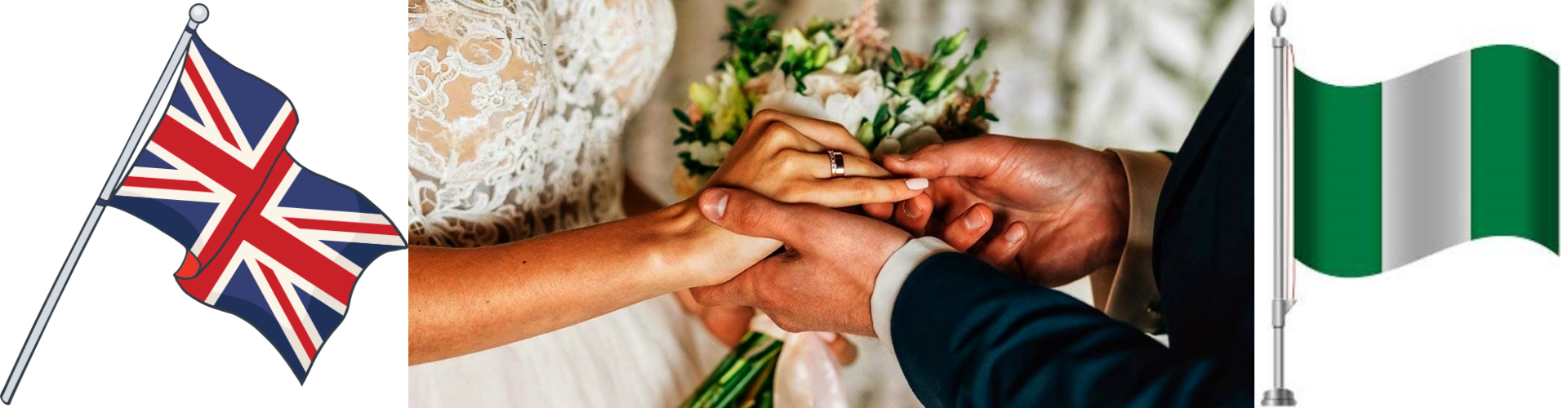
Getting married in the UK: start with the right legal system
The United Kingdom does not have one marriage procedure. England and Wales share a system, while Scotland and Northern Ireland each have their own rules, forms and notice periods. That distinction matters. A checklist from a register office in London should not be treated as the rule for a wedding in Edinburgh or Belfast.
For a Nigerian planning to marry in the UK, the first step is therefore simple: decide where the marriage will take place and contact the local registrar for that area. The registrar’s current checklist is more useful than a generic list copied from somewhere else.
England and Wales
In England and Wales, both parties must be at least 18, free to marry and not within a prohibited degree of relationship. Civil marriages take place at register offices or approved venues. Religious marriages may have different preliminaries depending on the faith and venue.
The normal process is to give notice at a register office. You must give notice at least 29 days before the ceremony and must usually have lived in the registration district for the preceding seven days. Where one or both parties are subject to immigration control, the case may be referred to the Home Office and the waiting period can be extended to 70 days.
If one party is from outside the UK or Ireland, both parties normally give notice together at a register office in the district where at least one of them lives. The exact procedure can differ where both parties have British or Irish citizenship, settled or pre-settled status, or a qualifying pending EU Settlement Scheme application.
Documents normally checked
The register office will tell you the exact documents to bring. Depending on the couple’s circumstances, these may include:
- valid passports or other accepted proof of identity;
- proof of address and the required period of residence in the district;
- evidence of immigration status, where applicable;
- evidence of a genuine change of name;
- a final divorce order or decree absolute if either party was previously married; and
- a death certificate if a former spouse has died.
A Nigerian single-status affidavit or certificate is not a standard nationwide requirement for every marriage in England and Wales. A particular register office may ask for additional civil-status evidence, especially where a previous marriage, a foreign divorce or an unusual record needs clarification. Ask before obtaining or legalizing documents that may not be needed.
Choose the correct visa
Someone coming to the UK specifically to marry must use a visa that permits the marriage. A Marriage Visitor visa is intended for a person who will marry or form a civil partnership in the UK and then leave. A person who plans to remain with a British or settled partner will usually need to examine the relevant family visa route. A Standard Visitor visa is not a substitute for a marriage visa.
Scotland
Scotland uses a separate notice procedure administered by the local registrar. Marriage notice forms and supporting documents should reach the registrar at least 29 days before the wedding, which allows 28 clear days between receipt of notice and the ceremony. Registrars commonly advise couples to submit earlier, particularly where foreign documents or immigration checks are involved.
Use the Scottish Government marriage guide and contact the registrar for the district where the ceremony will take place.
Northern Ireland
Northern Ireland also has its own marriage notice forms and procedure. The legal minimum notice is 28 days, but the official guidance recommends allowing about eight weeks. Foreign documents, previous marriages and immigration status can make an early enquiry especially worthwhile.
See the Northern Ireland notice guidance and confirm the current checklist with the district registrar.
Preparing Nigerian documents
Do not authenticate every Nigerian document merely because it will be shown abroad. First ask the registrar which record is required, whether an original or certified copy is acceptable, and whether legalization or translation is needed.
Where a Nigerian document must be legalized for use abroad, Nigerian Ministry of Foreign Affairs authentication is the first government authentication step before any embassy legalization can take place. UK marriage offices do not, however, apply one blanket rule requiring Nigerian MFA authentication or British embassy legalization for every civil document. The local registrar decides what it needs for the marriage registration.
Documents that are not in English or Welsh in England and Wales, or not in the language accepted by the relevant Scottish or Northern Irish registrar, may need a certified translation. Keep the original document and translation together.
A practical checklist for Nigerian couples
- Choose the UK jurisdiction. Confirm whether the wedding will be in England and Wales, Scotland or Northern Ireland.
- Speak to the local registrar. Ask for the current checklist based on both parties’ nationalities, immigration status and previous marriages.
- Check the visa position. Make sure the person travelling to the UK has a visa that permits the intended marriage and matches the plan after the ceremony.
- Resolve record differences early. Names, dates of birth and previous-marriage details should agree across passports, divorce records, death certificates and translations.
- Allow enough time. Notice periods are minimum periods, not promises that every case will be ready on the earliest possible date.
Official starting points: England and Wales, Scotland, and Northern Ireland.