
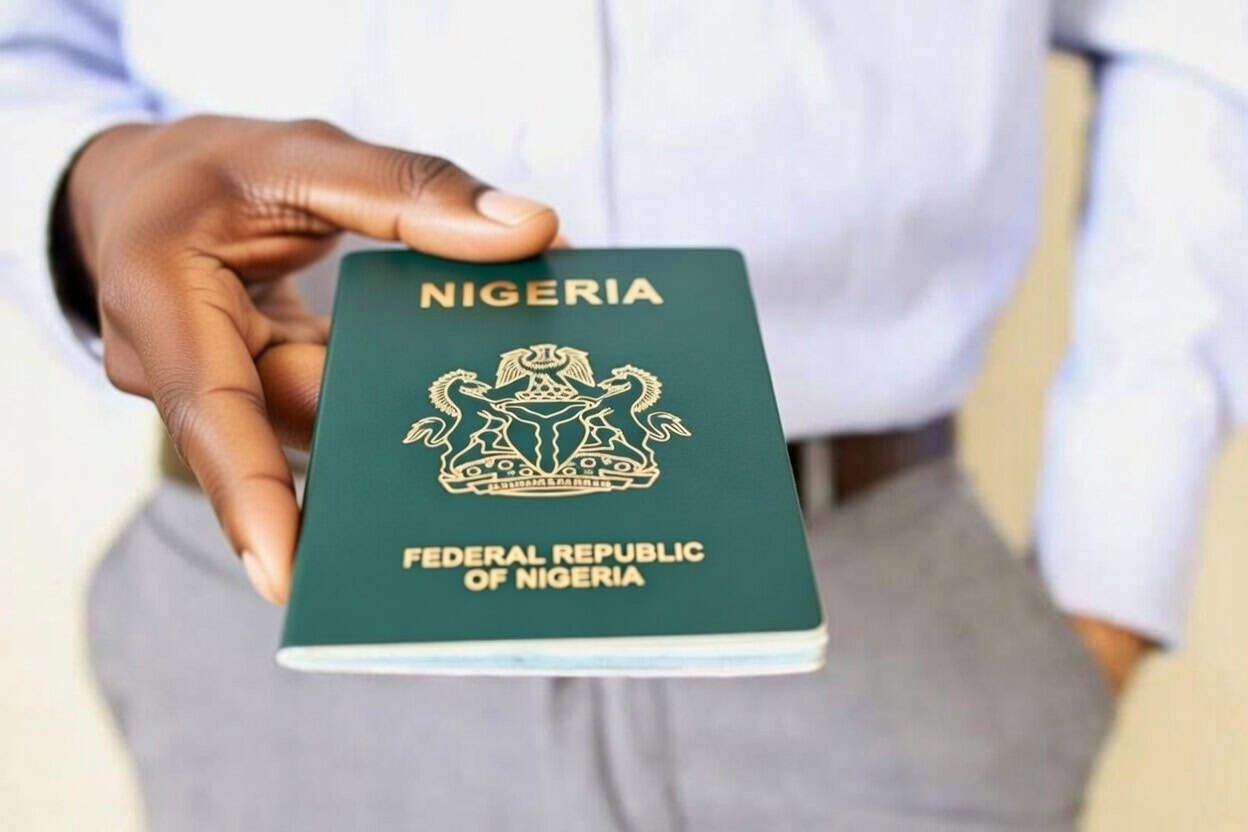
Renouncing Nigerian Citizenship
Renouncing Nigerian citizenship is a major decision that thousands of Nigerians abroad consider each year, mostly because they wish to take up the citizenship of another country. For those seeking to naturalize in countries that prohibit dual nationality, such as the Netherlands, Austria, or Singapore, the renunciation of Nigerian citizenship becomes a mandatory step in obtaining their new passport.
This guide covers everything you need to know about the Nigerian citizenship renunciation process: the legal basis, eligibility requirements, required documents, step-by-step procedures, processing timelines, and what happens after your renunciation is approved. But first, why would anyone even consider renouncing their Nigerian citizenship, especially given that Nigeria itself allows dual citizenship, which removes any pressure to renounce? We set the tone to the rest of the article by addressing this fundamental question.
Potential Reasons and Use Cases for Nigerian Citizenship Renunciation
In spite of its many challenges and unfulfilled promise, Nigeria is a great country. And Nigerians anywhere in the world proudly identify as such and share in the deep cultural and patriotic pride that binds its people. However, in some very specific circumstances, Nigerians in the diaspora may find it inevitable to renounce their citizenship in other to advance certain personal goals to which they are irrevocably committed. Accordingly, Nigerians abroad may resolve to renounce their Nigeria citizenship for any of the following reasons:
1. To qualify for citizenship in a country that forbids dual nationality
Some countries restrict dual citizenship or require renunciation in particular naturalization cases, often with important exceptions. Austria, the Netherlands, Japan and Singapore each apply their own rules. Germany changed its law on 27 June 2024 and now generally permits multiple citizenship, so a Nigerian should not renounce on the outdated assumption that German naturalization always requires it.
2. To access government-only jobs, sensitive roles or security clearances abroad
In many developed countries, some roles or jobs are legally restricted to single-citizenship nationals. Examples of such roles or jobs may include serving in the military, intelligence agencies, aerospace, nuclear or defence industries, and high level public service roles. Also, even where not explicitly stated, certain financial institutions, regulators, or multinational firms in sensitive industries quietly prefer or require non-dual nationals for sensitive roles. Nigerians seeking roles in such industries or positions may have no option but to consider renunciation of Nigeria citizenship in order to qualify.
3. To simplify estate planning and inheritance
Some Nigerians with a long-term planning horizon on matters relating to property, probate, or disputes involving customary law may decide to renounce Nigerian citizenship in order to simplify estate planning and inheritance for their children. This is because of the typically slow, messy and unpredictable nature of cross-border estate issues involving Nigeria. As such, someone whose assets are mainly abroad may want a single legal framework governing inheritance, wills and trusts to ensure greater simplicity in their estate planning. This may require renouncing Nigerian citizenship and sticking solely to the citizenship of the jurisdiction where their assets are domiciled.
Legal Basis for Renouncing Nigerian Citizenship
The right to renounce Nigerian citizenship is established under Section 29 of the Constitution of the Federal Republic of Nigeria 1999 (as amended). This constitutional provision creates both the right to renounce and sets the parameters for doing so.
Section 29(1) states that any citizen of Nigeria of full age who wishes to renounce Nigerian citizenship shall make a declaration in the prescribed manner for the renunciation.
Section 29(2) provides that the President shall cause the declaration to be registered, and upon such registration, the person who made the declaration shall cease to be a citizen of Nigeria.
The Constitution also establishes conditions under which renunciation may be denied. Section 29(3) allows the President to withhold registration if the declaration is made during any war in which Nigeria is physically involved, or if the renunciation is contrary to public policy.
Presidential Authority Over Renunciation
One critical point that applicants must understand: the power to approve or deny renunciation of Nigerian citizenship rests solely with the President of Nigeria. Nigerian embassies and consulates abroad only facilitate the application process. They collect documents, forward applications to the Ministry of Interior in Abuja, and communicate outcomes to applicants. They do not make final decisions on renunciation requests.
This presidential authority also means that there are no guaranteed timelines for approval. Processing depends on administrative factors in Nigeria that applicants cannot control.
Who Can Renounce Nigerian Citizenship?
Age Requirements
According to Section 29(4) of the Constitution, a person of “full age” means someone who has attained the age of eighteen years. There is also a provision that any woman who is married shall be deemed to be of full age, regardless of actual age. This means married women under 18 may technically renounce their citizenship, though this provision has been subject to legal debate.
Can Nigerian Citizens by Birth Renounce?
There is significant confusion on this point. Some Nigerian embassy statements suggest that citizens by birth cannot renounce their citizenship. This confusion likely arises from Section 28 of the Constitution, which allows citizens by birth to hold dual citizenship without automatic forfeiture.
However, multiple legal analyses and official Ministry of Interior procedures confirm that citizens by birth CAN indeed renounce their Nigerian citizenship if they choose to do so. The Nigerian Immigration Service even has a specific visa category (N2A) for “Nigerian by Birth who Renounced Nigerian Citizenship,” which confirms this interpretation.
The key distinction is between automatic forfeiture (which does not apply to citizens by birth who acquire another nationality) and voluntary renunciation (which is available to all Nigerian citizens of full age).
In practical terms, all categories of Nigerian citizens, whether by birth, registration, or naturalization, can renounce their citizenship provided they are of full age.
Alternative Citizenship Requirement
While not explicitly stated in the Constitution, administrative procedures require evidence that you either already hold citizenship of another country or will acquire it upon renunciation of Nigerian citizenship. This requirement aligns with international norms designed to prevent statelessness.
For applicants naturalizing in countries like the Netherlands or Austria, you will need to provide an official letter from the immigration authority of that country confirming that you will be granted citizenship upon renunciation of your Nigerian citizenship.
Countries That Require Renunciation of Nigerian Citizenship
Nigeria allows dual citizenship for citizens by birth. This means if you are a Nigerian by birth, you can acquire citizenship of another country without losing your Nigerian citizenship, provided that other country also permits dual nationality.
However, several countries around the world do not allow dual citizenship. If you wish to naturalize in any of these countries, you will be required to renounce your Nigerian citizenship.
European Countries
Netherlands: The Dutch government requires applicants for naturalization to renounce their previous citizenship as a rule. Exceptions exist for those married to or in registered partnership with a Dutch citizen, those born in the Kingdom of the Netherlands, refugees, and those whose countries do not permit renunciation. Since Nigeria does permit renunciation, Nigerians seeking Dutch citizenship through naturalization must renounce their Nigerian citizenship. The Dutch immigration authority (IND) issues an official letter confirming citizenship will be granted upon renunciation, which must be translated to English and submitted with the Nigerian renunciation application.
Austria: Austria has strict rules prohibiting dual citizenship. Applicants must renounce their previous citizenship to obtain Austrian nationality. Limited exceptions exist for children born to one Austrian and one foreign parent, those unable by law to renounce their existing citizenship, and individuals granted citizenship for extraordinary merit.
Estonia: Does not allow dual citizenship for adults, though children may hold dual citizenship until adulthood.
Monaco, San Marino, Andorra: Do not permit dual citizenship.
Note that Germany reformed its citizenship law in 2024 and now permits dual citizenship, removing it from this list.
Asian Countries
Singapore: Enforces strict single citizenship policy. Applicants must provide proof of renunciation of any other citizenship before naturalization is granted.
Japan: Prohibits dual citizenship and requires citizens to choose one nationality by age 22.
China: Maintains one of the strictest policies, requiring complete renunciation of any foreign citizenship. Hong Kong and Macau have separate arrangements that allow multiple citizenship.
India: Does not permit dual citizenship but offers Overseas Citizenship of India (OCI) status as an alternative.
South Korea: Generally requires single citizenship for adults, with limited exceptions.
Malaysia, Indonesia, Kazakhstan, Thailand, Vietnam, Nepal: Do not allow or significantly restrict dual citizenship.
Middle Eastern Countries
Saudi Arabia, UAE, Kuwait, Qatar: Do not permit dual citizenship.
African Countries
Botswana, Cameroon, Tanzania, Ethiopia, Eritrea, Libya: Do not allow dual citizenship.
Documents Required for Renunciation of Nigerian Citizenship
The Ministry of Interior requires the following documents for processing a renunciation application:
1. Formal Application Letter
A signed letter addressed to the Permanent Secretary, Ministry of Interior, requesting renunciation of Nigerian citizenship. The letter should state your full name, current address, reason for renunciation, and the country whose citizenship you are seeking.
2. Form G (Renunciation Application Form)
This is the prescribed application form for renunciation of citizenship. You can obtain it from the Ministry of Interior online portal (ecitibiz.interior.gov.ng) or from Nigerian embassies and consulates abroad. The form contains multiple parts including personal information, declarations, and certification sections.
3. Passport Photographs
Two recent passport-sized photographs meeting standard specifications.
4. Birth Certificate
Original birth certificate issued by the National Population Commission or equivalent authority.
5. International Passport (First Five Pages Including Data Page)
Copies of the first five pages of your valid Nigerian international passport, including the data page with your photograph and personal details.
6. Sworn Affidavit of Renunciation
An affidavit stating your intention to renounce Nigerian citizenship, sworn before a Commissioner for Oaths at a Nigerian High Court. This affidavit must be prepared and sworn in Nigeria, typically at the High Court of the Federal Capital Territory (FCT) in Abuja or a State High Court.
7. Evidence of Citizenship in the New Country
This can be either:
– A certificate of citizenship or naturalization from the country where you already hold citizenship, OR
– A letter from the immigration authority of the country confirming that you will be granted citizenship upon renunciation of Nigerian citizenship
For Netherlands applicants, this means the official letter from the Immigratie en Naturalisatiedienst (IND). The Nigerian Embassy in The Hague requires that this letter be officially translated into English, with both the Dutch original and English translation submitted.
8. Local Government Certificate of Origin
A certificate confirming your state and local government of origin in Nigeria. This document must include your passport photograph and should be obtained from your local government area of origin or through the State Liaison Office in Abuja.
9. Certification by Secretary of the Local Government Area
Part VII of Form G requires certification by the Secretary of your Local Government Area confirming that you are an indigene of that local government and that the information in your application is correct. This is a separate certification that must be completed by an official of your LGA.
Additional Requirements for Specific Embassies
Different Nigerian missions may have additional requirements based on local regulations and the 2020 Federal Government directive allowing missions to set their own service charges.
For Nigeria Embassy, The Hague (Netherlands):
– IND letter must be officially translated to English
– Both Dutch original and English translation required
– Payment of ?150 at the embassy upon approval of request
Other embassies have their own fee structures, so confirm with your nearest Nigerian mission.
Application Procedures for Renouncing Nigerian Citizenship
There are two routes for applying for renunciation of Nigerian citizenship.
Route 1: Through Nigerian Embassy or Consulate Abroad
This is the most common route for Nigerians living abroad. Here is the general process:
Step 1: Contact your nearest Nigerian embassy or consulate to confirm their specific requirements and current fees. Requirements can vary between missions.
Step 2: Gather all required documents. Note that some documents (like the sworn affidavit and LGA certification) must be obtained in Nigeria, so you may need to coordinate with family members or a representative.
Step 3: Submit your complete application package to the Nigerian mission. They will review your documents for completeness.
Step 4: The mission forwards your application to the Ministry of Interior, Citizenship and Business Department in Abuja.
Step 5: The Ministry reviews your application and submits it for Presidential approval.
Step 6: Upon approval, the Ministry issues an acknowledgment letter confirming your renunciation is being processed.
Step 7: After final approval and payment of required fees, you receive official notification of your renunciation.
Step 8: Your Nigerian passport is nullified as part of the process.
Route 2: Direct Application via Ministry of Interior Citizenship Portal
The Ministry of Interior operates an online portal where applications can be submitted directly.
Step 1: Visit the Ministry of Interior citizenship portal and create a personal account under the Citizenship category.
Step 2: Navigate to “Application for Renunciation of Citizenship” and click “Proceed.”
Step 3: Complete all sections of the online application form with accurate information.
Step 4: Upload all required documents in the specified formats.
Step 5: Make the required payment through the portal.
Step 6: Submit your application and await review.
Step 7: The Ministry may issue a query if there are problems with your application. You are required to respond within 72 hours of receiving any query.
Step 8: Upon successful review and approval, you receive notification of your renunciation.
Note that renunciation approval obtained directly from the Ministry still needs to be authenticated at a Nigerian mission abroad if you require apostille or legalization for use in another country.
Processing Timeline for Nigerian Citizenship Renunciation Application
There is no fixed timeline for renunciation of Nigerian citizenship because final approval rests with the President. However, based on general experience:
Nigerian embassies typically quote 21 working days for processing documents from the date of receipt. This is the document handling time at the mission level, not the overall approval timeline. In reality, it takes a lot longer.
The Ministry of Interior review process can take several months depending on current workload and other administrative factors.
Presidential approval adds additional time that cannot be predicted.
Overall, applicants should expect the entire process to take several months or even up to a year from initial submission to final approval. Many applications may take longer depending on circumstances.
Applicants should factor this timeline into their naturalization plans in their destination country. If you need to renounce before a certain deadline for your new citizenship, start the process well in advance.
Application and Payment Arrangements
Fees for renunciation vary depending on whether you apply through a Nigerian mission abroad or directly through the Ministry.
Embassy or Consulate Route:
Each Nigerian mission sets its own service charges in line with the 2020 Federal Government directive. For example, the Nigerian Embassy in The Hague charges ?150 upon approval of the request. Other missions may have different fee structures. Contact your local mission for current fees.
Direct Ministry Route (eCitibiz Portal):
The Ministry of Interior has fixed rates for applications submitted through the portal. Check the portal for current fee information.
Other Documents and Arrangements:
– Sworn affidavit at High Court in Nigeria (varies by court)
– Local Government Certificate of Origin (varies by state)
– Document translation (if required)
– Notarization or legalization of documents
– Travel costs if you need to visit Nigeria to obtain certain documents
Visiting Nigeria After Renouncing Nigerian Citizenship
Once you successfully renounce your Nigerian citizenship, your Nigerian passport becomes invalid and will be forfeited to the Nigerian government through the Nigerian Immigration Service. However, you are not permanently barred from Nigeria.
The Nigeria Visa Policy 2020 introduced special visa categories for former Nigerian citizens:
F9A: Returning Nigerian by Birth Visa (Short Visit)
This is a short visit visa for Nigerians by birth who now hold foreign passports. It allows multiple entries with stays not exceeding 30 days per entry. The visa is valid for 90 days from issuance and is extendable. It does not permit employment or interchangeable use of passports.
N2A: Nigerian by Birth who Renounced Nigerian Citizenship Visa (Permanent Residence)
This is a permanent residence visa for Nigerians by birth who have renounced their citizenship. It grants indefinite residence rights in Nigeria, provided you maintain a valid passport.
N2B: Spouse of Nigerian by Birth who Renounced Nigerian Citizenship Visa
This visa category covers spouses of former Nigerians who hold the N2A visa.
These visa categories ensure that renouncing Nigerian citizenship does not completely sever your ties to the country. You can still visit, reside, and maintain connections with Nigeria through the appropriate visa.
Restoration of Nigerian Citizenship after Renunciation
If you renounce your Nigerian citizenship and later change your mind, restoration is possible but extremely difficult. Restoration of Nigerian citizenship for someone who has renounced can only be approved by the President of Nigeria.
There is no automatic right to restoration, and the process is not well defined. This makes renunciation a decision that should be considered very carefully before proceeding.
Important Considerations Before Renouncing
Before you begin the renunciation process, consider the following:
Is renunciation truly necessary?
Nigeria allows dual citizenship for citizens by birth. If your destination country also allows dual citizenship, you may not need to renounce at all. Only renounce if your new country of citizenship specifically requires it.
What rights will you lose?
Upon renunciation, you lose:
– Your Nigerian passport
– The right to vote in Nigerian elections
– The right to hold certain public offices in Nigeria
– Automatic entry to Nigeria (you will need a visa)
– Consular protection as a Nigerian citizen abroad
Can you get the necessary documents?
Several documents required for renunciation must be obtained in Nigeria. If you cannot travel to Nigeria or do not have reliable contacts who can assist with document procurement, the process becomes more complicated.
Have you accounted for the timeline?
If your new country has a deadline for proving renunciation, make sure you start the Nigerian process well in advance. There is no way to speed up Presidential approval.
How Antarch Consulting Can Help
The renunciation of Nigerian citizenship involves navigating multiple government agencies, obtaining documents from Nigeria while living abroad, and coordinating with both Nigerian and foreign authorities. For Nigerians in the Netherlands, Austria, or other countries requiring renunciation, this process can be complex and time-consuming.
Antarch Consulting provides structured processing support and guidance for Nigerians abroad dealing with Nigerian government procedures, including renunciation of citizenship applications. We provide clear guidance on procedures, requirements, and timelines based on our experience with Nigerian government processes.
Authentication and Legalization:
We also assist with Ministry of Foreign Affairs document authentication and embassy legalization of documents where necessary.
If you are considering renouncing your Nigerian citizenship or need assistance with any Nigeria-related document matters, contact us to discuss your specific situation.
Frequently Asked Questions about Renouncing Nigerian Citizenship
Can a Nigerian citizen by birth renounce their citizenship?
Yes. All Nigerian citizens of full age (18 years and above) can renounce their citizenship, regardless of whether they acquired it by birth, registration, or naturalization.
How long does the renunciation process take?
There is no fixed timeline. Although embassy document processing is officially said to take about 21 working days, but the actual process and overall approval from the Ministry of Interior and President can take several months, and up to a year and beyond.
Can I renounce my Nigerian citizenship from abroad?
Yes, in theory. You can apply through any Nigerian embassy or consulate abroad, or directly through the Ministry of Interior’s online portal. Though in reality, you may need on-the-ground assistance/coordination in Nigeria to help with the various bureaucratic processes involved.
What happens to my Nigerian passport after renunciation?
Your Nigerian passport is nullified upon successful completion of the renunciation process. It then ceases to be yours, and would be relinquished to the Nigerian Immigration Service.
Can I restore my Nigerian citizenship after renouncing?
In theory, restoration after renunciation is possible but requires Presidential approval and is not guaranteed. In practice, renunciation of Nigerian citizenship should be considered a significant, potentially permanent decision.
Do I need to renounce if I’m becoming a citizen of a country that allows dual citizenship?
No. If both Nigeria and your new country allow dual citizenship, you can hold both nationalities. Nigeria allows dual citizenship for citizens by birth.
What is Form G?
Form G is the prescribed application form for renunciation of Nigerian citizenship, available from Nigerian embassies or the Ministry of Interior’s eCitibiz portal.
Do I need a lawyer to renounce Nigerian citizenship?
Not necessary because a lawyer is not legally required. However, you will need a sworn affidavit prepared before a Commissioner for Oaths at a Nigerian High Court.
Can I visit Nigeria after renouncing my citizenship?
Yes. You can apply for the F9A (short visit) or N2A (permanent residence) visa categories specifically created for former Nigerian citizens.
Who makes the final decision on renunciation applications?
The President of Nigeria has sole authority to approve or deny renunciation applications. Nigerian embassies and more specifically the Ministry of Interior only facilitate the formal documentation and procedure.