
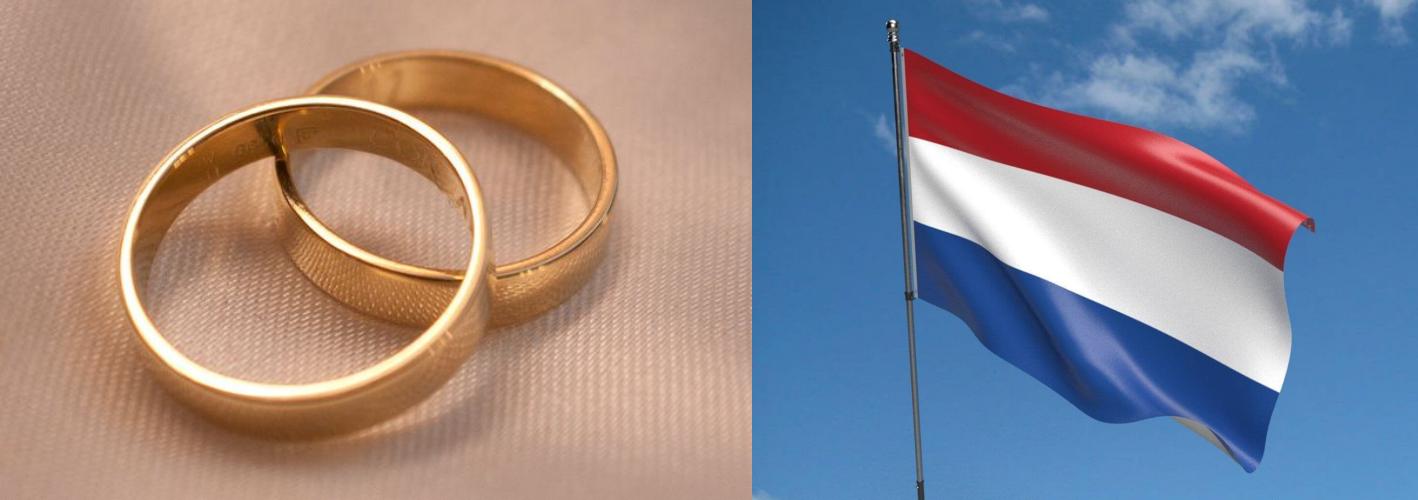
Start with the municipality where the marriage will take place
In the Netherlands, the municipality, or gemeente, handles the civil marriage. It decides the appointment procedure and the foreign documents required for the couple’s exact circumstances. A checklist from Amsterdam may not be identical to one from Rotterdam, The Hague or a smaller municipality.
At least one of the parties must normally be a Dutch national or resident of the Netherlands. If both parties live outside the Netherlands and neither is Dutch, they cannot simply choose the Netherlands as a wedding venue.
Contact the municipality before obtaining Nigerian affidavits or legalizing documents. Tell the registrar both parties’ nationalities, where they live, whether either person has been married before and which Nigerian records are available.
The Dutch civil-marriage process
- Notify the municipality. Couples give notice of their intended marriage through the municipality. The national guidance says this should be done at least two weeks before the ceremony, but municipalities may require more time for foreign documents and checks.
- Submit the requested civil records. The municipality reviews identity, civil status, residence and previous-marriage evidence.
- Choose witnesses and the ceremony. A Dutch civil marriage requires witnesses. The municipality explains the number, identity documents and ceremony options.
- Complete any additional immigration or relationship checks. A municipality may ask additional questions where a non-Dutch national is involved. Do not assume that every Nigerian couple must complete one universal M46 form; follow the municipality’s instructions.
Documents a Nigerian applicant may be asked to provide
Depending on the municipality and the applicant’s history, the list may include:
- a valid Nigerian passport;
- a Nigerian birth certificate or NPC birth attestation record;
- evidence of unmarried status;
- a final divorce decree or former spouse’s death certificate where applicable;
- proof of residence or registration in the Dutch Personal Records Database (BRP); and
- records explaining a genuine change or variation of name.
The municipality decides whether a single-status affidavit, a local-government certificate, a Ministry of Interior document or a combination is acceptable. Never-married, divorced and widowed applicants should not be given the same checklist.
Legalizing Nigerian documents for the Netherlands
The Netherlands publishes a clear Nigeria-specific rule: Nigerian documents that require legalization should first be legalized by the Nigerian Ministry of Foreign Affairs. A further legalization stamp from the Dutch Embassy is not required.
Nigerian public documents issued in English do not normally need translation for use in the Netherlands. If a record is in another language, check the accepted language and translator requirement with the municipality.
Legalization confirms the signature or seal on the document. It does not guarantee that the Dutch authority will accept the contents or overlook a name, date or civil-status problem.
Read the official Netherlands Worldwide guidance for Nigerian documents before starting.
Single status, divorce and widowhood
A person who has never married may be asked for evidence showing that status from Nigeria and from other countries where the person has lived. The precise issuer and acceptable age of the document depend on the municipality.
A divorced applicant should prepare the final divorce record, not merely a decree nisi or proof that proceedings began. A widowed applicant should prepare the former spouse’s death certificate and the earlier marriage record where requested. Ask whether those records need Nigerian MFA legalization.
Civil marriage comes before the celebration
A church, mosque or traditional celebration does not replace the Dutch civil marriage. The legally recognized Dutch marriage must be completed through the civil registrar. Couples may hold a religious or cultural ceremony afterwards.
Marriage and residence are separate matters
Getting married in the Netherlands does not automatically give a Nigerian spouse the right to live or work there. A separate residence process may be required through the Immigration and Naturalisation Service (IND). The sponsor’s status, income, relationship history, civic-integration requirements and the applicant’s residence history can all matter.
Use the municipality for the marriage and the IND family and partner guidance for residence. Do not mix the two checklists.
Property and surnames after marriage
Since 1 January 2018, the Dutch default is a limited community of property, not an automatic 50/50 sharing of everything each spouse owned before marriage. Assets and debts acquired before marriage may remain outside the community, while jointly acquired property and some property acquired during marriage can fall inside it. Couples with businesses, previous assets, children or cross-border property should obtain Dutch notarial advice.
A prenuptial agreement can be made before marriage, and spouses may also be able to change their matrimonial-property arrangements later through a Dutch notary. Do not tell a couple that nothing can be changed once they are married.
Marriage also does not automatically replace a person’s legal birth surname in the Dutch civil register. A spouse may use the partner’s surname in social and administrative dealings, but the underlying legal name rules are more specific.
Registering a marriage that took place outside the Netherlands
If the marriage took place in Nigeria or another country, a Dutch resident may need to register the foreign marriage with the municipality. The marriage certificate must be suitable for use in the Netherlands, and the municipality may ask for legalization, translation or additional evidence.
See the official guidance on registering a foreign marriage.
Practical advice for Nigerian couples
- Send scans to the municipality before spending money on legalization where possible.
- Ask for the checklist in writing and keep the name of the department handling the marriage registration.
- Resolve spelling, date and previous-marriage differences before the appointment.
- Do not obtain a generic affidavit and assume it will replace a missing official record.
- Allow extra time where documents must be obtained from Nigeria and authenticated by the MFA.
- Keep the marriage process and any IND partner-residence application as separate workstreams.
Official sources: getting married in the Netherlands, documents for marriage, and marriage and property arrangements.